Position:Professor
Degree: Doctoral Degree
Courses Taught
Throughout my academic career, I have taught undergraduate and postgraduate courses in structural engineering, computational mechanics, numerical modelling and earthquake engineering.
Structural Engineering and Computational Mechanics
• Finite Element Analysis and Computational Mechanics
• Nonlinear Analysis of Reinforced Concrete Structures
• Structural Modelling and Numerical Simulation
• Earthquake Resistant Design and Seismic Assessment
Engineering Software and Computational Methods
• Computer-Aided Structural Analysis
• Advanced Numerical Methods in Civil Engineering
• Computational Modelling of Engineering Systems
Artificial Intelligence Applications in Civil Engineering
• Machine Learning Applications in Structural Engineering
• Artificial Intelligence-Based Predictive Modelling
• High Performance Computing Applications in Civil Engineering
My teaching integrates theoretical engineering principles with practical computational tools, including finite-element modelling, scientific software development and data-driven engineering approaches.
Teaching Achievements
My teaching philosophy combines fundamental engineering knowledge with computational methods, practical applications and research-based learning. I encourage students to develop independent problem-solving skills through numerical modelling, engineering design projects and research activities.
Student Research Supervision and Mentorship
Supervision of undergraduate and postgraduate students in structural engineering, computational mechanics and numerical simulation projects.
Engineering Design Competitions
Supported and guided student teams participating in engineering competitions, including the Wooden Bridge Competition and academic research competitions.
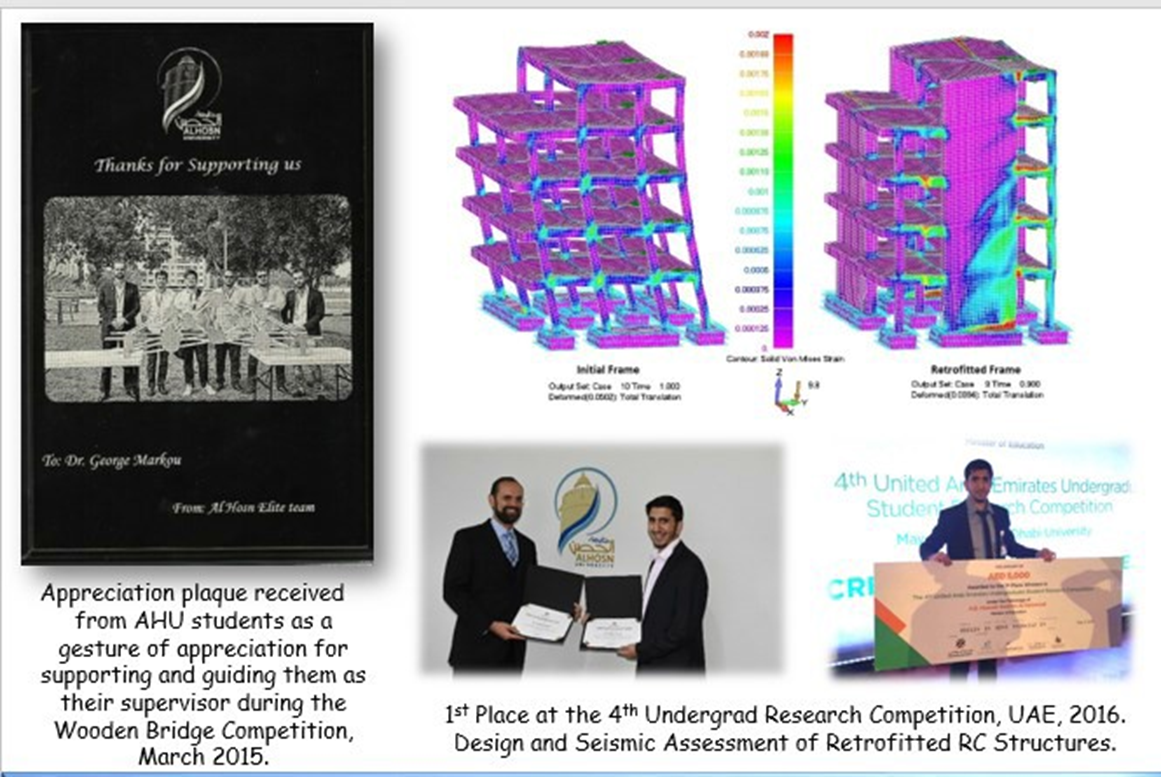
Research-Based Engineering Education
Integrated advanced computational techniques, finite-element modelling and modern engineering software into teaching activities to expose students to current research methodologies.
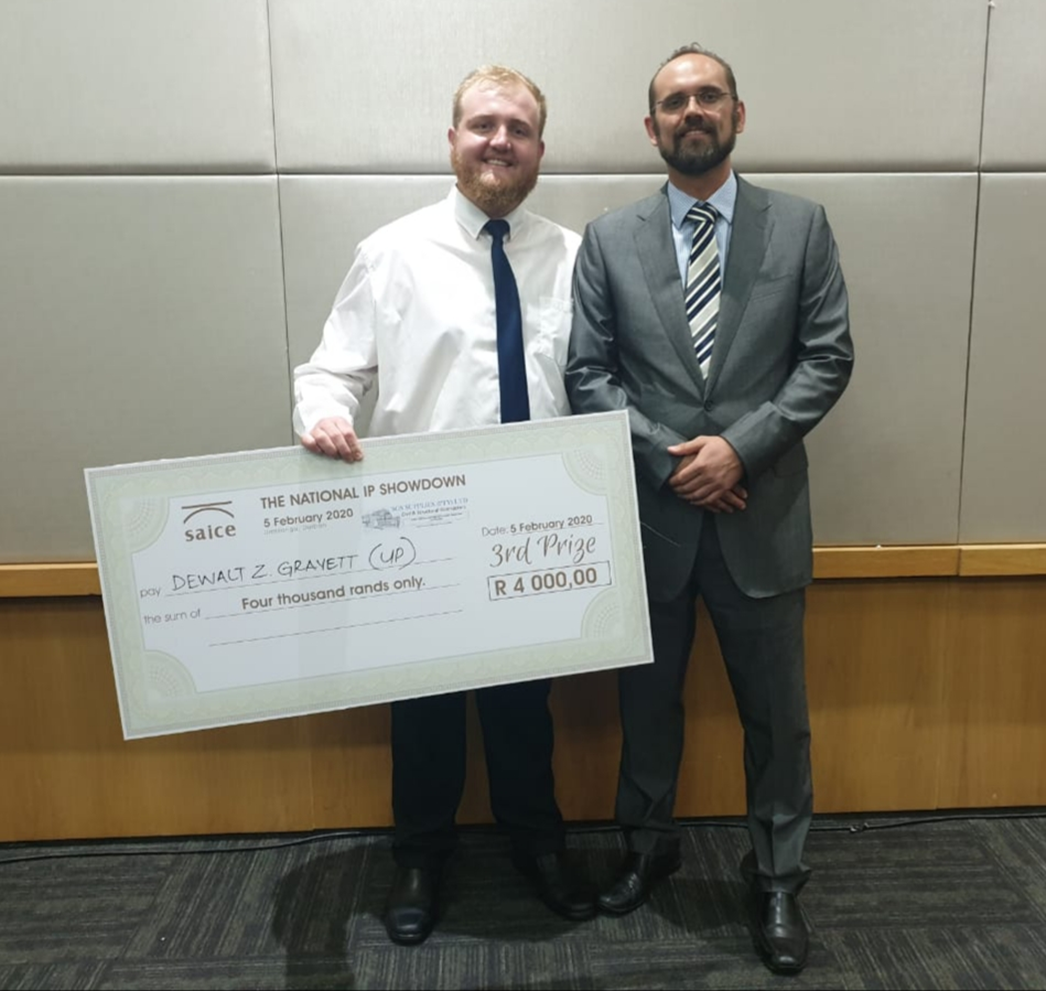
South African Institute of Civil Engineering (SAICE) National Undergraduate Research Competition, 5 Feb. 2020, Durban, South Africa.
International Engineering Education
Developed teaching activities across multiple international institutions, promoting interdisciplinary learning and international collaboration in civil engineering education.

Best Young Researcher conference article 2024 SATC conference
Student Supervision and Research Training
I have supervised undergraduate, master's and doctoral students in the fields of structural engineering, computational mechanics, numerical simulation and artificial intelligence applications in civil engineering.
Research Supervision Areas
• Nonlinear finite-element modelling of reinforced concrete structures
• Computational mechanics and numerical methods
• Artificial intelligence and machine learning applications in structural engineering
• Structural health monitoring and digital twin technologies
• High-performance computing for large-scale simulations
My supervision approach emphasises combining fundamental engineering knowledge with advanced computational tools, enabling students to develop both theoretical understanding and practical research capabilities.
Students under my supervision have contributed to research publications, computational developments and engineering competitions.
